

Key Takeaways
- Assisted living can be a good fit for someone in the early stages of dementia.
- Memory care offers more structured, specialized support for moderate-to-advanced dementia.
- Personalized care plans, daily routines, and social programs help residents thrive.
- Senior living communities support families, not just residents.
- Knowing the signs that more care is needed can help your family make timely decisions.
Dementia and Assisted Living: What Families Need to Know
When someone you love starts showing signs of dementia, questions come quickly. Can they still live somewhere that feels like home? Will they get the right kind of help? It’s a lot to sort through, and the emotions involved make it even harder to think clearly.
Yes, someone with dementia can live in assisted living, and in many cases, it can be a warm, supportive place where they continue to feel a sense of purpose and connection. The key is finding the right level of care at the right time, and knowing what to look for as your loved one’s needs change.
Boden Senior Living in Coon Rapids offers both assisted living and memory care to help families navigate exactly that journey. Exploring the differences between assisted living and memory care is a helpful place to start.
What Assisted Living Offers for Dementia Care
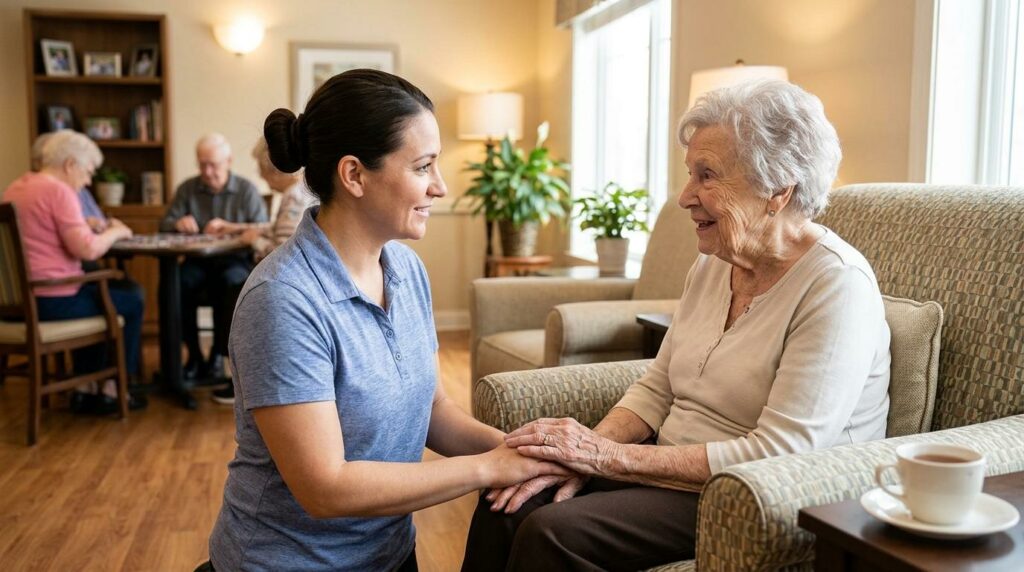
Assisted living communities are built around the idea that people deserve both support and dignity. For someone in the early stages of dementia, that balance matters a lot. Your loved one can receive daily help with meals, medications, and routines while still enjoying meaningful independence.
Care plans are personalized, which means the support your loved one gets is shaped around who they are, not just what they need. Social programs also play a big role here. Regular activities, shared meals, and opportunities to connect with others can do a great deal for emotional well-being and overall happiness. Learning more about who qualifies for assisted living can help you figure out whether it’s the right fit for your loved one right now.
The Difference Between Assisted Living and Memory Care
Assisted Living: A Good Fit for Early-Stage Dementia
In the earlier stages of dementia, many people can still enjoy a meaningful daily life with some added support. Assisted living provides a comfortable, familiar environment where your loved one gets help with everyday tasks while still holding onto routines they recognize and enjoy.
Staff members are trained to offer gentle support with safety, personal care, and daily activities. The community atmosphere also means your loved one has neighbors, programs, and friendly faces around them throughout the day, which can make a real difference in how they feel.
Reviewing the 7 stages of dementia can give your family a clearer picture of where your loved one is on their journey and what kind of support may be most helpful.
When Memory Care Becomes the Right Next Step
As dementia progresses to moderate or advanced stages, a more structured environment can offer your loved one greater comfort and safety. Memory care is designed specifically around the needs that come with deeper memory challenges, with routines, spaces, and staff support all carefully shaped around those needs. The Alzheimer’s Association offers a helpful overview of dementia types and progression that families often find reassuring to read through.
This transition doesn’t mean giving up warmth or individuality. It means finding a setting where your loved one can continue to feel secure, cared for, and known. Many senior living communities offer both assisted living and memory care, so that transition can happen without your loved one having to move far from the life they’ve built. Knowing when to move from assisted living to memory care can take some of the guesswork out of that decision.
Signs Your Loved One May Need More Specialized Support
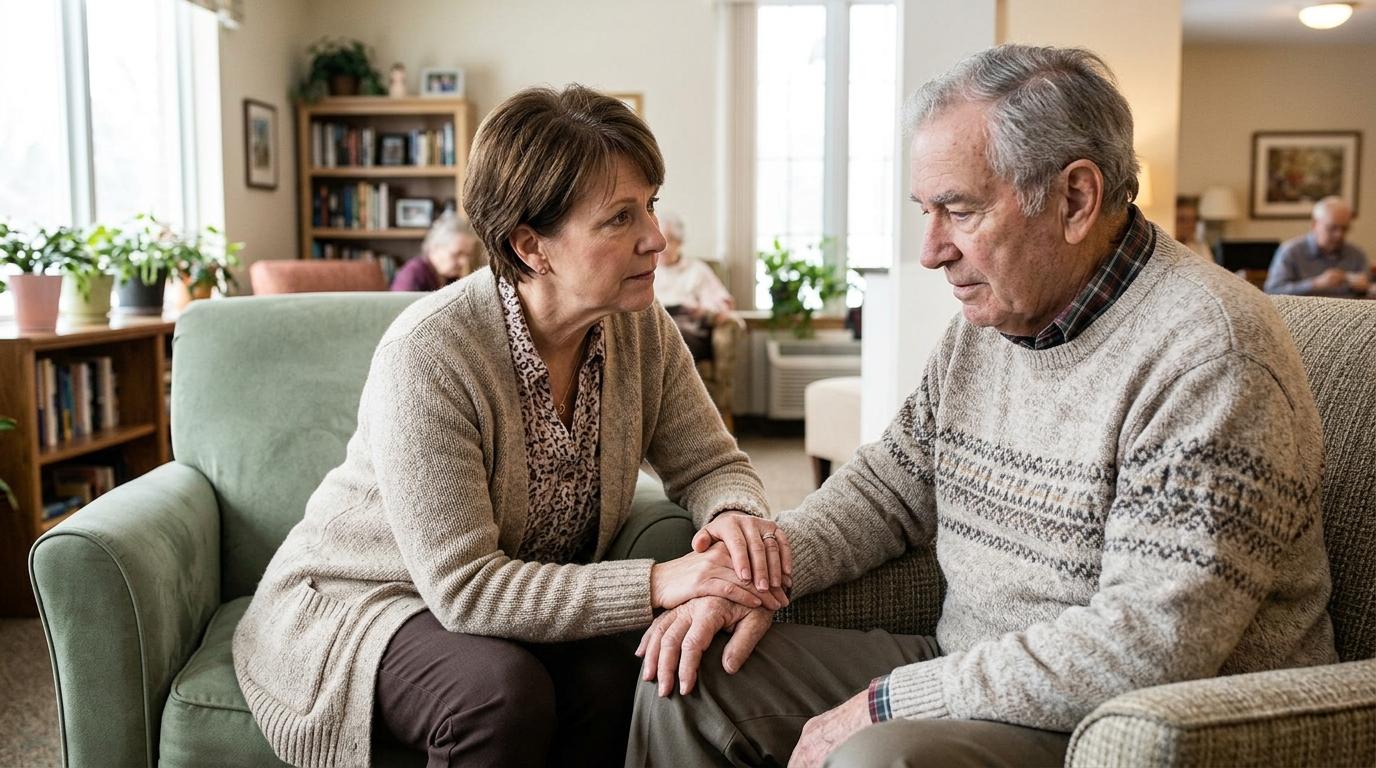
Sometimes the shift from home to senior living, or from assisted living to memory care, is gradual. It helps to know what to look for so you can act thoughtfully rather than in a moment of crisis. Some signs may include:
- Increased confusion, wandering, or safety concerns at home or in their current setting.
- A noticeable decline in personal hygiene, nutrition, or the ability to handle daily tasks.
- Caregiver stress has grown to a point where it’s affecting everyone’s well-being.
These signs don’t mean something has gone wrong. They simply mean your loved one’s needs have grown, and their care can grow with them. Recognizing early signs of memory impairment can help your family feel more prepared and less caught off guard.
How Senior Living Communities Support Families Too
Peace of Mind Through Consistent, Compassionate Care
One thing families often share after making this transition is how much lighter they feel. When you know your loved one is receiving consistent, coordinated care, you can start showing up as a family member again rather than a full-time caregiver. Staff communicate regularly with families, keeping everyone informed and involved.
Health services are also brought directly to residents, from primary care to specialized support, so your loved one doesn’t have to navigate appointments and transportation alone. It all works together in a way that keeps care connected and manageable. You can explore the full range of services and amenities available to get a better sense of what daily life looks like.
Spiritual and Emotional Well-Being for Residents and Families
Care that honors the whole person goes beyond physical health. Chaplains offer one-on-one visits, counseling, and spiritual programs for residents and families alike. Whether your loved one has a specific faith tradition or simply needs space for quiet reflection, that support is there.
Every person’s story, beliefs, and sense of self are respected. That commitment to dignity and individuality runs through every part of daily life. Caregiver stress resources are also worth exploring if you’re feeling the weight of this season as a family member.
Finding the Right Senior Living Option for Someone with Dementia
Taking the next step starts with asking the right questions. When you visit a senior living community, pay attention to how staff interact with residents, how the space feels, and whether the care approach can flex as your loved one’s needs evolve over time. A look at what to look for in a senior living community can help you walk in with the right questions ready.
At Boden Senior Living in Coon Rapids, both assisted living and memory care are available under one roof, along with personalized care, spiritual support, and coordinated services that help your loved one feel at home. Reach out to the team to schedule a tour, and take that first step forward together.