


Key Takeaways
- Early awareness of dementia signs helps families plan ahead before a crisis occurs.
- Memory changes, mood shifts, and personality changes are common early warning signs.
- Gentle, compassionate conversations can open the door to meaningful support.
- Memory care communities offer structured routines and personalized care plans.
- Taking small, early steps can make a significant difference for your loved one’s well-being.
What Families Need to Know About Dementia Warning Signs
It can be unsettling to see someone you love start acting differently. Maybe you heard them ask the same question three times in an afternoon, or they suddenly seem confused driving home from the local grocery store. It’s easy to brush these moments off as just getting older, but sometimes they’re pointing to something that really calls for more attention.
Recognizing the early signs of dementia gives your family the chance to react promptly and plan together for further action, like partaking in memory care. Early detection also gives your loved one the chance to be involved in any major decisions about their health.
Common Early Signs of Dementia to Watch For
Memory Changes and Confusion
One of the most recognizable early signs is unusual forgetfulness. It’s normal for things to escape our minds sometimes. But if your loved one is forgetting events that happened recently or is misplacing items frequently, that pattern should be examined. Aside from what’s been mentioned, there are other early warning signs that can help you tell the difference between normal aging and something that warrants a closer look.
Dementia may also affect a person’s ability to pay attention to their surroundings. Here are a few changes that caregivers may want to look out for.
- Sudden inability to navigate their own neighborhood
- Display of unfamiliarity with long-standing personal routines
- Trouble keeping up conversations or basic instructions
Attention is key to catching the signs of memory impairment early. The earlier the condition is spotted, the more resources and control caregivers can get.
Mood, Behavior, and Personality Shifts
Changes in mood and behavior can be just as telling as memory lapses. A loved one who used to love social gatherings may start pulling away from friends, family, or hobbies they once enjoyed.
Also keep an eye out for mood shifts. Sudden changes in mental health, like increased anxiety, sudden suspicion, or unprompted mood fluctuations, are worth taking seriously.
Last but not least, observe how they care for themselves. If your loved one starts skipping showers or stops brushing their teeth when they were meticulous about hygiene before, something deeper may be going on. Seeking professional help can help you and your loved one determine if these are signs of dementia or those of a depressive episode.
How to Talk to Your Loved One About Your Concerns
Bringing up these changes takes compassion and sensitivity. Choose a calm, quiet moment when your loved one feels most comfortable. A private setting can also make it easier for them to open up without feeling embarrassed or scrutinized. For more guidance on navigating these conversations, read up online for practical, caring advice for families caring for seniors with dementia.
Keep the conversation judgement-free by focusing on what you’ve observed. Tell them that you noticed that they had picked up and put down a can of soup three times in the grocery store. Ask if something’s bothering them. Instead of opening the conversation with assumptions, gentle, loving language can often keep the conversation more productive.
Next Steps for Your Family
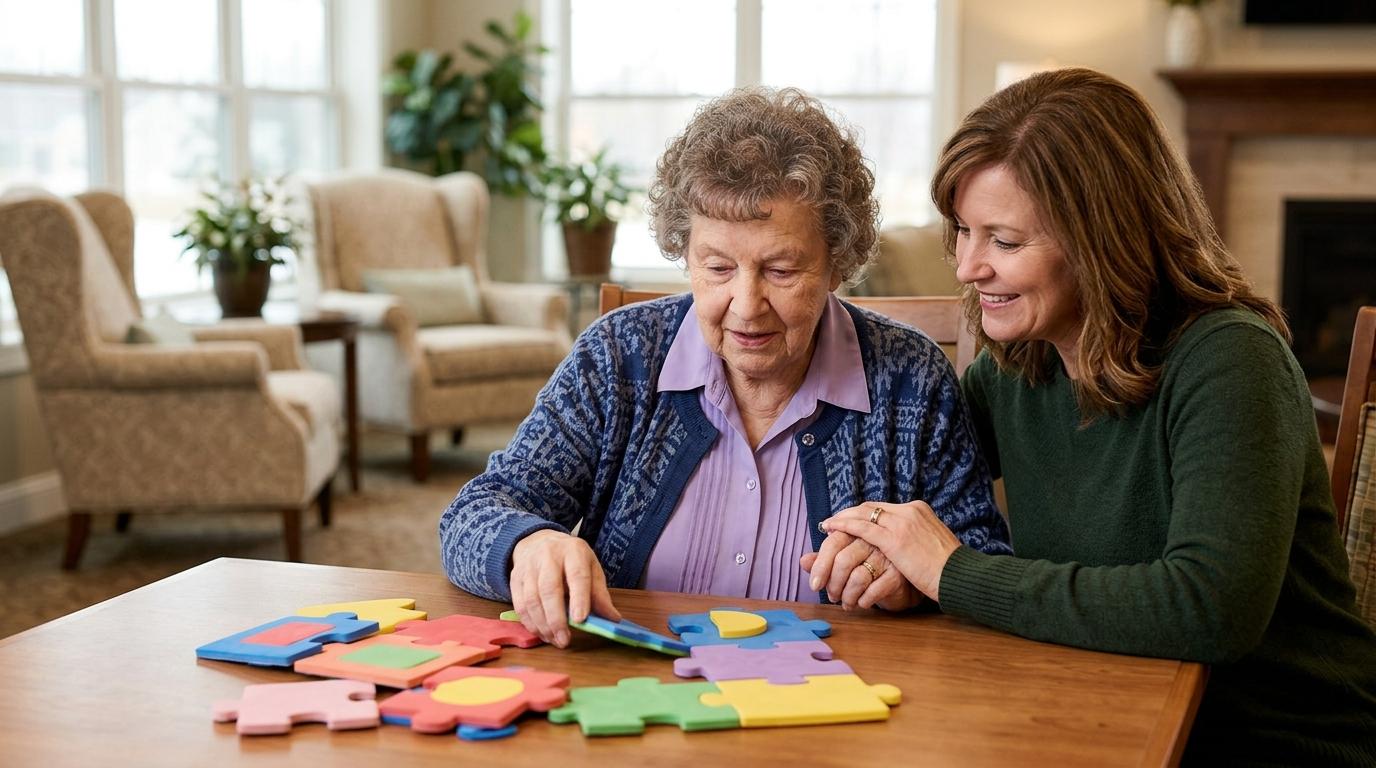
If you’ve started noticing changes in your loved one, consider writing down the details of what you’ve observed, including dates and situations. That kind of information can be incredibly helpful when speaking with care professionals. It can also be worth exploring if memory care may be the right next step for your family.
Boden Senior Living in Coon Rapids is here to walk alongside your family with warmth and support. Reaching out to ask questions or scheduling a tour of our community can help you get a feel for what fits your loved one best. Neither you nor your loved one should have to wait for care that appreciates and acknowledges you.